

A Beginner’s Guide to Digital Marketing
🌟 Introduction
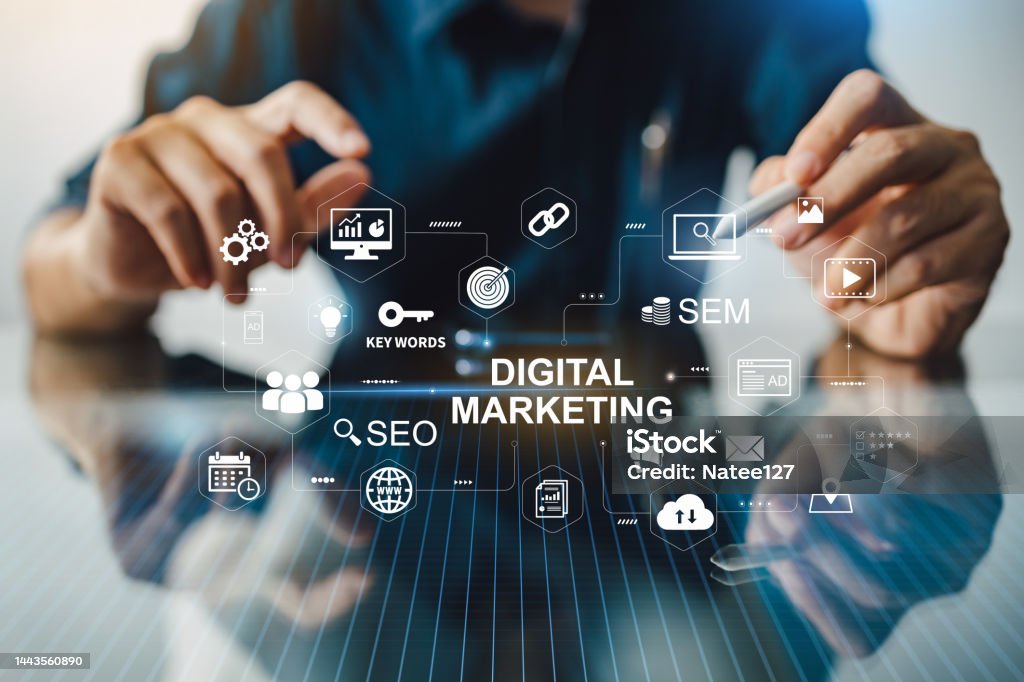
In today’s digital-first world, digital marketing is no longer optional — it’s essential. Whether you’re an entrepreneur, a student, or the owner of a small business, understanding how to promote yourself online can make or break your success.
Unlike traditional marketing methods like TV or print ads, digital marketing allows businesses to reach a global audience at a fraction of the cost. It’s measurable, flexible, and incredibly powerful for startups that need visibility fast.
This guide will walk you through everything a beginner needs to know — from what digital marketing is, to the key strategies, tools, and tips that will help you grow your brand online.
💡 What is Digital Marketing?
Digital marketing is the practice of promoting products or services using digital platforms such as:
- Search engines (like Google or Bing)
- Social media (Facebook, Instagram, LinkedIn, etc.)
- Websites and blogs
- Email marketing campaigns
- Paid advertisements (Google Ads, social media ads)
In simple terms, digital marketing means using the internet to connect with your audience and convert them into loyal customers.
🚀 Why Digital Marketing Matters
If you’re still wondering why businesses around the world are investing heavily in digital marketing, here’s why it matters:
- Global Reach – Reach audiences across countries and continents without physical barriers.
- Cost-Effective – Digital campaigns cost much less than traditional advertising.
- Targeted Marketing – Show your ads to specific audiences based on interests, age, and behavior.
- Measurable Results – Track every click, impression, and conversion in real time.
- Customer Engagement – Build meaningful relationships through interactive content and feedback loops.
Persuasive Tip:
Even the smallest startup can compete with big brands online — all it takes is the right strategy and consistent effort.
🧭 The Core Components of Digital Marketing
Digital marketing isn’t just one thing — it’s an ecosystem of multiple strategies that work together. Let’s explore the main pillars of digital marketing for beginners.
1. Search Engine Optimization (SEO)
SEO helps your website rank higher on Google search results so more people can find your business organically (without paid ads).
Key SEO Practices:
- Use relevant keywords in your content (like “digital marketing for beginners”).
- Create high-quality, informative blog posts.
- Optimize your website for speed and mobile devices.
- Build backlinks from trusted websites.
Why it’s important:
Organic traffic from SEO is free, sustainable, and brings highly interested visitors to your site.
2. Content Marketing
“Content is king” — and in digital marketing, that’s absolutely true.
Content marketing focuses on creating valuable and educational content that attracts, engages, and converts potential customers.
Examples of content:
- Blog posts and articles
- Infographics
- Explainer videos
- E-books and guides
Benefits of Content Marketing:
- Builds trust and authority in your niche
- Increases brand visibility
- Drives consistent organic traffic
Persuasive Tip:
Don’t just sell — educate and inspire your audience. When you solve their problems through content, they’ll naturally trust your brand.
3. Social Media Marketing
With billions of users scrolling every day, social media platforms are goldmines for brand awareness and engagement.
Popular platforms for digital marketing:
- Instagram – Great for visuals, reels, and storytelling
- Facebook – Ideal for community building and ads
- LinkedIn – Perfect for B2B networking and thought leadership
- X (Twitter) – Good for updates and trends
Effective Social Media Tips:
- Maintain a consistent posting schedule
- Use engaging visuals and videos
- Respond to comments and messages
- Collaborate with influencers or micro-creators
Why it works:
Social media builds relationships, not just clicks — and relationships lead to loyal customers.
4. Email Marketing
Even in 2025, email marketing remains one of the most powerful and cost-effective marketing tools.
Why Use Email Marketing:
- Directly reach your customers in their inbox
- Share promotions, news, or blog updates
- Build long-term relationships
Email Best Practices:
- Personalize emails with the recipient’s name
- Write clear, engaging subject lines
- Keep the message short and valuable
- Add a strong call-to-action (CTA)
Example:
“Hi Alex, your 20% discount on our new collection expires tonight — grab it now!”
5. Pay-Per-Click (PPC) Advertising
If you want immediate visibility, PPC is your shortcut. You pay only when someone clicks your ad — which makes it cost-effective and performance-driven.
Common PPC Platforms:
- Google Ads
- Meta Ads (Facebook/Instagram)
- YouTube Ads
- LinkedIn Ads
Benefits:
- Instant traffic and brand exposure
- Full control over your budget and targeting
- Excellent for new product launches
Pro Tip:
Combine PPC with SEO. While SEO builds long-term traffic, PPC gives you instant results.
6. Analytics and Performance Tracking
One major advantage of digital marketing is measurability.
With analytics tools, you can see:
- How many people visited your website
- Which channels bring the most traffic
- What users clicked, liked, or purchased
Popular Tools:
- Google Analytics
- Google Search Console
- Meta Insights
- SEMRush or Ahrefs
Why it matters:
Data-driven marketing helps you make smarter decisions and maximize ROI (Return on Investment).
🧠 How to Get Started with Digital Marketing
If you’re a complete beginner, here’s a simple 6-step roadmap to begin your online marketing journey:
- Set Clear Goals:
- Do you want more traffic, brand awareness, or sales? Define your purpose clearly.
- Know Your Audience:
- Identify your ideal customer — age, location, interests, and online habits.
- Build a Professional Website:
- Make sure it’s mobile-friendly, fast, and visually appealing.
- Create Valuable Content:
- Write blogs, post videos, or share tips that solve your audience’s problems.
- Promote Through Social Media:
- Be active on platforms where your audience spends time.
- Measure and Improve:
- Regularly track your progress and adjust your strategy based on data.
⚙️ Recommended Tools for Beginners
Here are some beginner-friendly tools to make digital marketing easier:
| Purpose | Recommended Tools |
|---|---|
| Content creation | Canva, Grammarly |
| SEO optimization | Yoast SEO, Ubersuggest |
| Social media management | Buffer, Hootsuite |
| Email marketing | Mailchimp, Sendinblue |
| Analytics & insights | Google Analytics, SEMRush |
Persuasive Note:
These tools save time, improve performance, and help even small teams compete with large brands.
🏁 Conclusion
Digital marketing is the backbone of modern business growth. It allows anyone — from a student to a startup — to build a global brand with minimal investment.
By mastering essential skills like SEO, social media marketing, content creation, and analytics, you can create an online presence that attracts, engages, and converts your audience.
Remember: success in digital marketing doesn’t come overnight. It’s a process of learning, testing, and adapting. Start small, stay consistent, and keep optimizing your strategy.
If you embrace the power of digital marketing today, your brand could be the next big success story tomorrow. 🌍✨
✅ SEO Meta Title:
A Beginner’s Guide to Digital Marketing | Learn the Basics of Online Marketing
✅ Meta Description:
Discover what digital marketing is, why it’s important, and how beginners can use SEO, content, and social media to grow their business online.

Leave a Reply